

Das Institut für Grenzflächenverfahrenstechnik und Plasmatechnologie IGVP der Universität Stuttgart widmet sich der meist interdisziplinären und fachübergreifenden Forschung und Lehre im Wirkungsfeld von Materialwissenschaften (Materials Science), Lebenswissenschaften (Life Sciences), Verfahrenstechnik (Process Engineering) und Plasmatechnologie (Plasma Sciences) und ist dabei von den globalen Nachhaltigkeitszielen inspiriert, welchen sich die Vereinten Nationen, die Bundesregierung Deutschland und die Landesregierung Baden-Württemberg ebenfalls verpflichtet sehen.
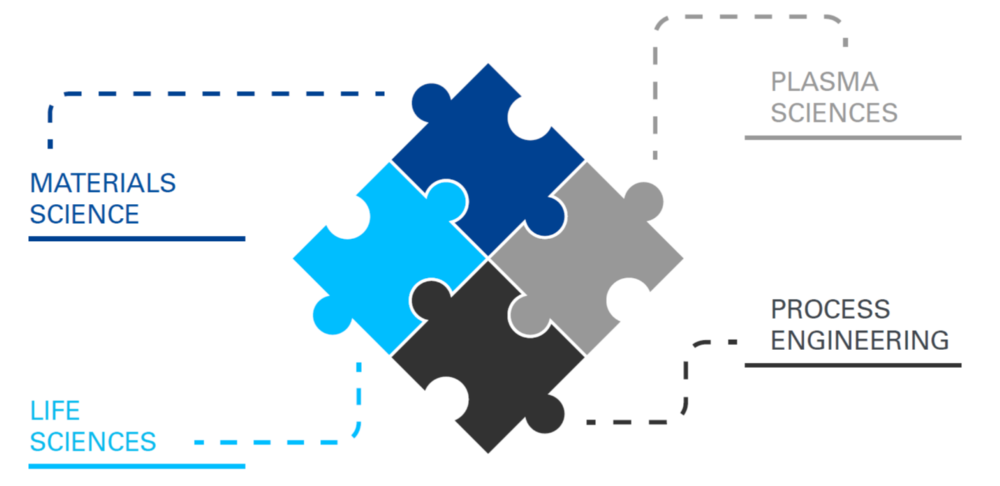
Das IGVP gehört zur Fakultät 4 Energie-, Verfahrens- und Biotechnik und ist intensiv in Forschung und Lehre sowie Transfer tätig. Dem Institut stehen sowohl auf dem Campus der Universität als auch bei der Fraunhofer-Gesellschaft in Stuttgart-Vaihingen sehr gut ausgestattete Labore, Technika und Werkstätten zur Verfügung.
Die enge Kooperation des IGVP mit dem Fraunhofer-Institut für Grenzflächen- und Bioverfahrenstechnik IGB ermöglicht ein dynamisches Zusammenwirken von Forschenden und Lehrenden beider Institutionen.
Seit Ende des Jahres 2015 wird das IGVP kommissarisch von Prof. Dr. Günter Tovar geleitet.
News



Günter Tovar
Prof. Dr.Professor, Institutsleiter (kommissarisch)